
The Future of Identity Verification: A Next-Generation Architecture with On-Device and On-Premises AI
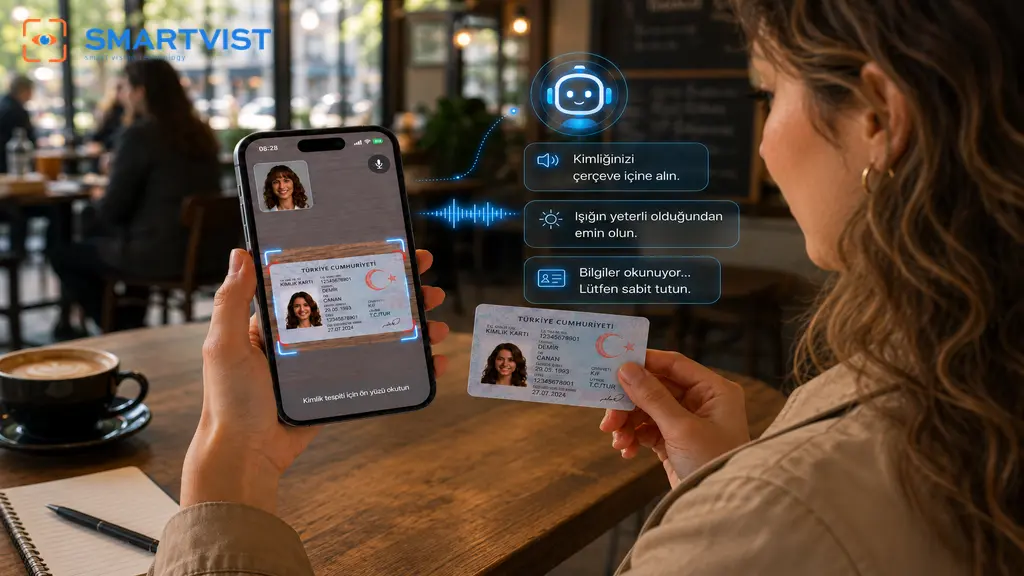
Identity verification is no longer just becoming digital. AI-powered, privacy-first, and smarter systems are shaping the next era.
Identity verification technologies have gone through a major transformation in recent years. Processes that once required physical branches can now be completed on mobile devices within minutes. Yet where the industry stands today means much more than simply moving transactions into digital channels.
The real question is no longer whether identity verification will be digital, but how intelligent, fast, and scalable it can become.
At this point, artificial intelligence has become one of the most important forces shaping the direction of the industry.
From video calls to smarter verification flows
When remote identity verification is mentioned, many people first think of video calls. In many countries, regulators still consider video calls an important security layer and require them in certain scenarios.
However, as the market grows, the limits of video-call-centric models become more visible.
Having every session managed by an operator can create significant operational cost at high transaction volumes. Waiting times and scalability also become important concerns for institutions.
This is why the general industry trend is not to remove human expertise entirely, but to move it to the moments where it is truly needed.
With AI-powered systems, document analysis, biometric verification, liveness checks, and user guidance can now be performed with a much higher level of automation.
AI creates its biggest impact in the background
When people hear artificial intelligence, they often think of chat applications or generative AI tools. In identity verification, however, AI often creates value in places users do not directly notice.
Reading information from identity documents, detecting signs of fraud, performing face verification, analyzing liveness, and evaluating risk can all be supported by advanced AI models.
From the user perspective, the process may appear to take only a few seconds, while many checks and analyses are running in the background.
As these systems continue to improve, AI is likely to play an active role in almost every stage of the verification flow.
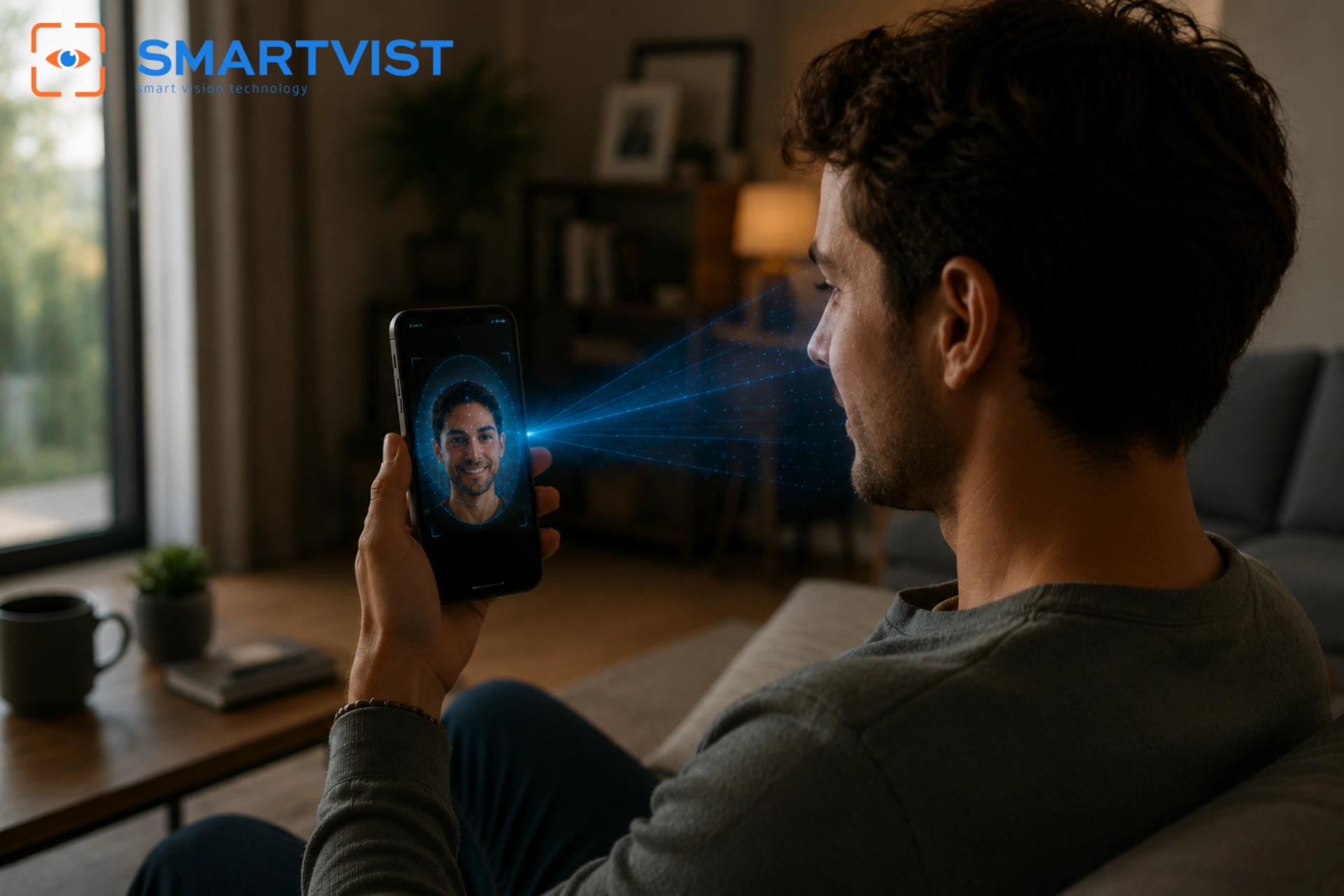
Could the future of AI be on the device rather than in the cloud?
One of the important trends in the market is the ability to run AI models directly on mobile devices.
In the past, steps such as OCR, face verification, and liveness analysis were mostly handled on the server side. As mobile device processing power increases, this approach is changing.
Today, many AI models have reached a level where they can run directly on the device.
This does not only improve performance. It also creates important opportunities for data privacy. Processing user data on the device as much as possible supports both security expectations and regulatory requirements.
For institutions with high transaction volumes, on-device AI solutions are expected to become much more common in the coming years.
Data privacy is one of the most critical topics of the new era
Identity verification processes naturally involve sensitive personal data. As AI usage becomes more widespread, data privacy becomes more important than ever.
Many institutions and regulators see the ability to process critical data without moving it outside the institution as a priority requirement.
This approach is becoming increasingly important not only in Turkey, but also in many other regions around the world.
For this reason, a significant part of the industry is turning to on-premises AI solutions that can run within an institution’s own infrastructure, alongside cloud-based architectures.
The future of AI depends not only on building stronger models, but also on running those models securely and sustainably.
Next-generation digital assistants in identity verification
With the development of large language models (LLMs), a new era has also begun in user experience.
Until now, many digital verification flows have progressed with predefined instructions. When users encountered an unexpected problem, they often needed human support.
In next-generation systems, AI is not only a technology that performs checks, but also an assistant that can communicate with the user.
Intelligent digital assistants that can explain why an error occurred, provide guidance based on the current step, and make the process easier to understand will become an important part of the identity verification experience.
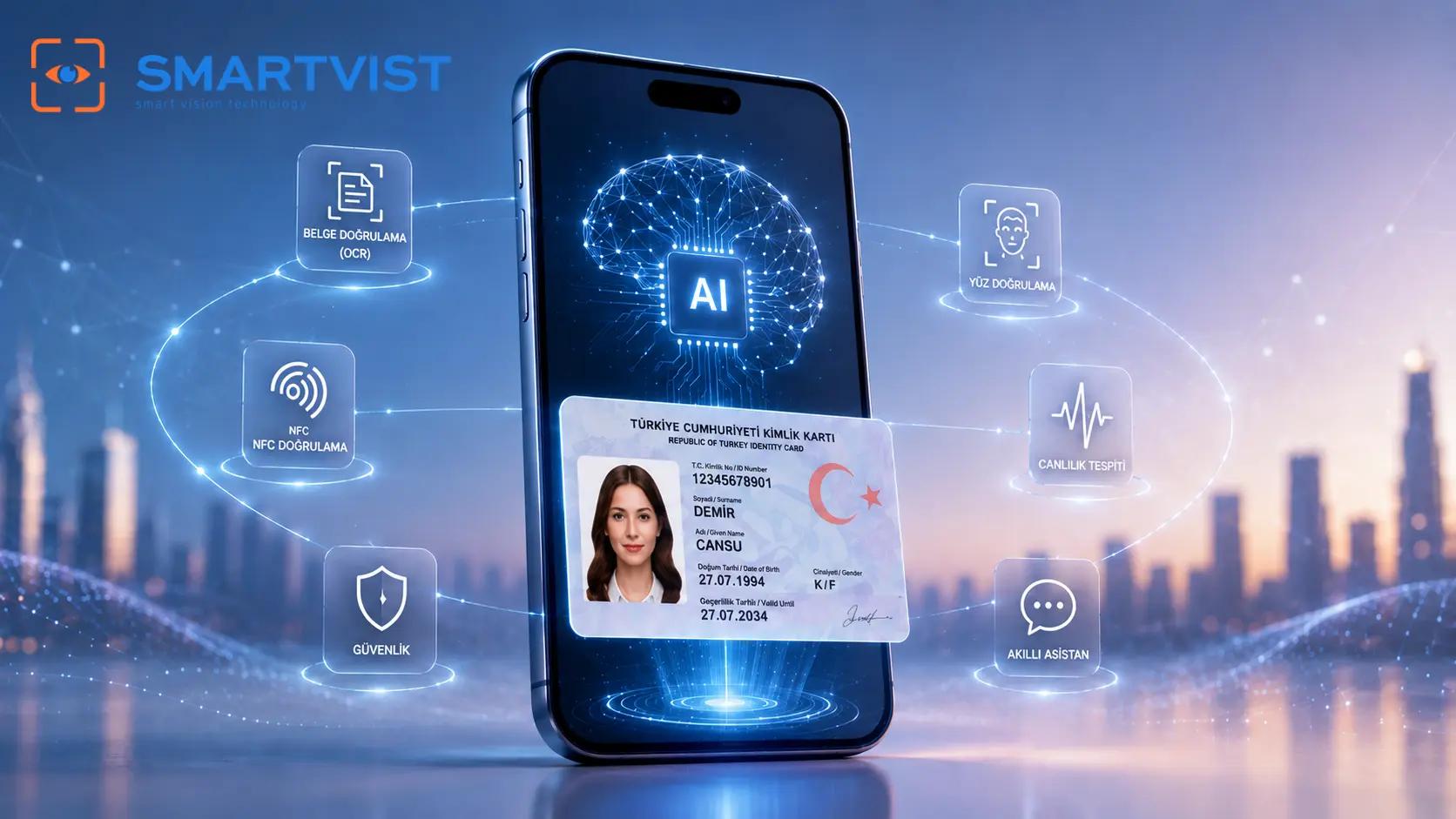
Smartvist’s AI vision: Hybrid, secure, and scalable verification architectures
Looking at the future of identity verification, it is unlikely that a single AI approach will meet every need. Instead, hybrid architectures combining on-device AI, on-premises AI infrastructure, and large language models are coming to the forefront.
The next-generation verification approach developed by Smartvist is built around this vision.
1. 100% on-device identity and biometric verification
High server costs and performance issues caused by internet connectivity can create a significant operational burden in identity verification. With Smartvist’s on-device approach, critical verification steps such as OCR, NFC chip reading, and face liveness analysis can be completed directly on the user’s mobile device within seconds, without server dependency.
This architecture reduces bandwidth requirements while offering lower latency, lower operational cost, and stronger data privacy. For users, it contributes to a faster, smoother, and more reliable verification experience.
2. Data control remains with the institution through on-premises AI
Data that is accurately read and verified on the device can be processed and stored on the institution’s own local servers.
This helps meet local data storage and security requirements in sectors where data privacy is critical. Data remains under institutional control, external dependencies are reduced, and sensitive information is protected within institutional boundaries.
3. Smarter user experience with intelligent voice guidance
A significant portion of errors in identity verification can be caused by user guidance issues.
For this reason, users are supported throughout the process with voice guidance running on the device. Real-time guidance during document scanning, face verification, and NFC reading helps users complete the flow in a more standard and error-free way.
4. On-premises LLM-powered next-generation digital assistants
Difficulties users experience during identity verification can often cause them to abandon the process. The development of large language models opens the door to smarter and more interactive support mechanisms.
Smartvist’s on-premises LLM-powered virtual assistants can step in when users are stuck, make a mistake, or need additional explanation. Because this structure runs within institutional infrastructure, data remains under institutional control while users receive more natural and understandable guidance.
These assistants can explain why an error occurred, offer suggestions specific to the current step, and make the process easier to understand, helping improve user experience and reduce abandonment in digital customer acquisition.
5. Edge-first and hybrid AI architectures
In Smartvist’s architecture, the primary priority is always on-device AI. Performing as many verification operations as possible directly on the user’s device enables lower latency, stronger data privacy, and more efficient resource usage.
At the same time, local on-premises solutions are used for more complex AI systems such as LLMs that require higher processing power. This brings device capabilities and institutional server resources together in a hybrid ecosystem, creating an optimal balance of performance, cost, and security.
6. Custom AI models developed by Smartvist
Identity verification has domain-specific requirements that differ from general-purpose AI use cases.
For this reason, Smartvist aims to minimize external dependency by using custom AI models developed and optimized by its own R&D team in critical areas such as identity analysis, biometric verification, and fraud detection.
These on-device models support high-accuracy local identity analysis and biometric checks, creating a stronger verification infrastructure in terms of both performance and data privacy.
Conclusion
We are at the beginning of a new era in identity verification.
Video calls, biometric verification, and digital onboarding will continue to matter. But AI will increasingly define how these processes are carried out.
For institutions, the real differentiator will not only be the ability to verify identity, but the ability to do it in a smarter, safer, faster, and more cost-efficient way.
AI-powered, privacy-first, and scalable solutions will be at the center of this transformation.
Contact Us
Let’s evaluate how Smartvist’s AI-powered digital identity verification solutions can support your digital customer acquisition processes.